
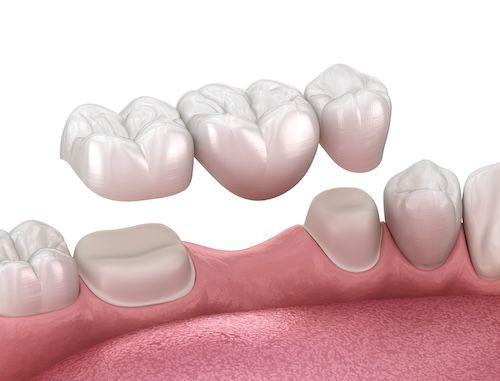
 A custom dental bridge is a time-tested, reliable solution for replacing a missing tooth and restoring both your smile's function and its natural beauty. When a tooth is lost, it creates a domino effect in your mouth: the surrounding teeth naturally begin to shift into the empty space, which can lead to painful bite misalignment, jaw joint strain, and an increased risk of tooth decay.
 The Dental Bridge Process: What to Expect
Restoring your smile with a fixed dental bridge is a straightforward, predictable process that typically requires just two comfortable visits to our Lithia, FL dental office.
Your First Visit
Dr. Joseph Wareham, DMD, will gently prepare the adjacent teeth on either side of the gap. These "anchor teeth" will support the dental crowns that hold your replacement tooth securely in place. We then use advanced digital scans or precise impressions to design a custom bridge that blends seamlessly with your natural teeth. A comfortable temporary bridge is placed to protect your teeth while our dental lab fabricates your permanent, high-quality restoration.
Your Second Visit
We remove the temporary bridge, carefully verify the shape, color, and bite alignment of your permanent crown and bridge restoration, and securely bond it into place. You leave our office with a fully restored, functional, and seamless smile!
Bridge vs. Implant: Which Is Right for You?
When it comes to choosing between a dental bridge and a permanent dental implant, it’s important to consider your smile goals, treatment timeline, and budgetary restrictions.
Let’s explore the pros and cons of each tooth replacement option:
Dental Implant
- Mimics your tooth’s roots and preserves your jawbone
- Easy to clean and maintain
- Looks and feels extremely natural
- Lasts a lifetime with proper care
- Higher upfront costs
- Longer treatment time
- Not usually covered by insurance
Dental Bridge
- Doesn’t preserve jawbone strength
- Requires diligent dental hygiene
- Looks and feels extremely natural
- Lasts for 15+ years with proper care
- Lower initial cost
- Shorter treatment time
- Often covered by insurance
- Requires healthy adjacent teeth
Making Your Decision at Cherry Blossom Family Dentistry
Whichever option fits your smile goals, timeline, and budget, you don't have to figure it out alone. As a locally owned Lithia practice, Dr. Wareham personally walks you through the pros and cons above during your consultation and helps you land on the right choice for your situation. We also accept CareCredit and Cherry financing on both bridges and implants, so cost doesn't have to be the deciding factor.
